
Mainstream Muslims worship Muhammad as an equal of God. They aggressively reject this notion and claim that they do not worship Muhammad but instead revere, respect, honor, and show love and devotion to him.
Worship:
to honor or show reverence for as a divine being or supernatural power.
to regard with great or extravagant respect, honor, or devotion
Merriam-Webster Dictionary
Mainstream Islam is only partially based on the Quran, the word of God. Most of it rests on the hadith — Muhammad’s reported words and actions, passed down through his followers’ testimony rather than through God directly. In practice, mainstream Muslims follow that testimony about as much as they follow the Quran itself.
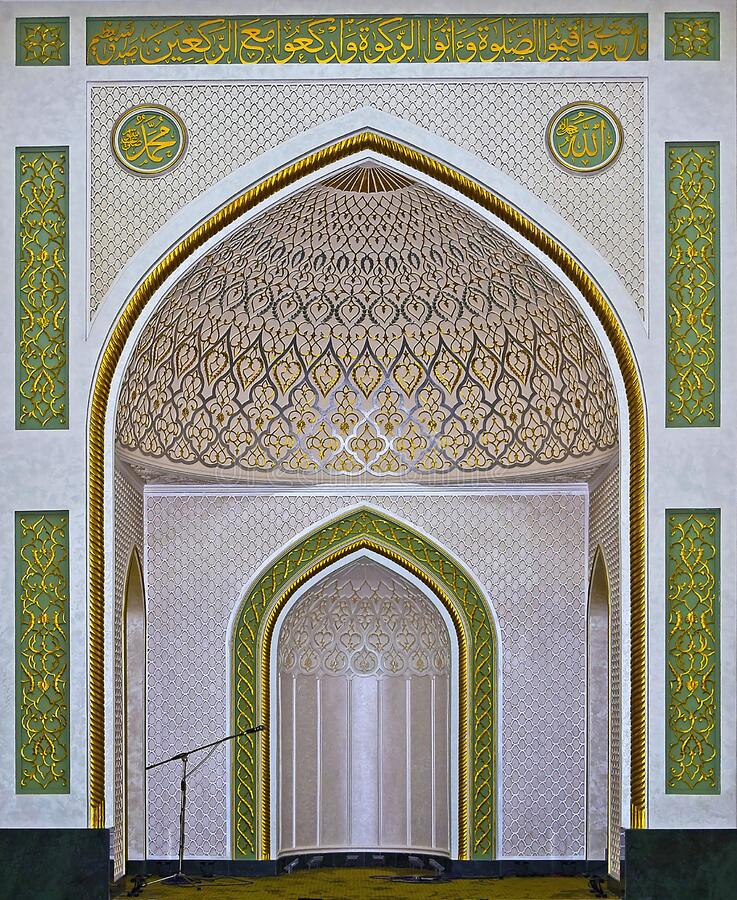
Many sing praises to Muhammad and mention his name as much as they mention God’s in their prayers and songs. They decorate mosques with calligraphy, often placing “Allah” and “Muhammad” side by side.
In Shafafi Islam, Muhammad is the messenger who brought the Quran to humanity — nothing more. He did not have the authority to create divine scripture himself. As Islam’s first Imam, he did have the authority to issue rules and guidelines for his own people, in his own era, based on his own reading of the Quran. But treating those rulings — the hadith — as permanent divine scripture would attach the attributes of divinity to Muhammad, elevating a human being to the rank of God. That is why Shafafi Islam does not count hadith as scripture. They are interpretations from Muslims of a particular time and place, not additional revelation.
Hadith contradict their own existence:
It was narrated from Abu Sa’eed al-Khudri that the Messenger of Allah said: “Do not write anything from me; whoever has written anything from me other than the Quran, let him erase it.”
Narrated by Muslim, al-Zuhd wa’l-Raqaa’iq, 5326
The best guidance available to Muslims today is the Rulings of Imam Shafafi — drawn directly from the Message and applied to the world as it actually is, with the same authority to retire what no longer applies.